

The Person Moving the Room Is Not Background Noise
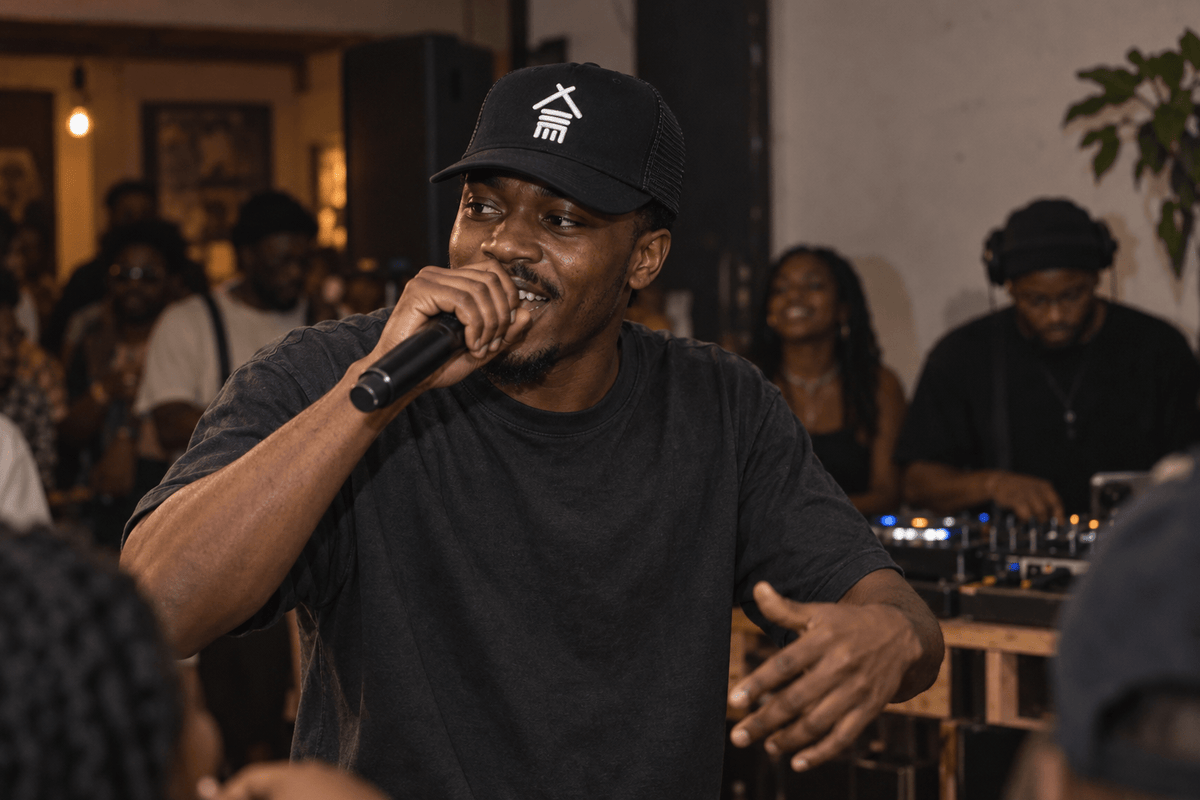
A crowd is not automatically a community. Put hundreds of people in the same venue and they may still remain separate: watching, filming and waiting to be entertained. The skilled hypeman changes that relationship. A phrase becomes a response; strangers move on the same cue; the room briefly recognises itself.
A recent report by The Guardian from Lagos describes the expanding field sometimes called Afrohype or lamba. Its practitioners perform improvised vocals over music, direct crowds and move between raves, weddings, corporate events and recorded releases.
The easy interpretation is that this is simply another nightlife trend. Our view is that it exposes something larger: Nigerian culture often undervalues the labour of participation.
We know how to celebrate the singer, footballer, designer or actor at the centre. We are less consistent about recognising the DJ who reads the room, the stylist who gives an era its silhouette, the dancer who creates its repeatable movement or the MC who turns spectators into contributors. Their work can look effortless precisely because its preparation is hidden.
Hyping also challenges the assumption that cultural innovation must mean abandoning tradition. According to The Guardian, the contemporary practice has been connected to praise-singing and call-and-response, as well as the Congolese atalaku tradition that later influenced performance across the continent. What appears new may be an older social technology adapting to microphones, clubs and phone screens.
Recognition, however, should not mean uncritical celebration. Critics point to excessive volume, repetitive delivery and language that can become misogynistic or inappropriate for the audience. Those objections matter. A profession earns respect not by rejecting standards, but by developing them.
That means learning when not to fill every silence. It means understanding context, building original language and refusing to make women the cost of a cheap reaction. It also means fair contracts, proper billing and payment terms for the performers who do the work well. Professionalisation should increase both value and accountability.
There is a lesson here for the wider creative economy. Culture is not only the finished object—a song, garment or film. It is also the set of relationships that gives that object meaning. This feels especially relevant to people navigating between Nigeria and the diaspora: the right voice at a London wedding or Manchester party can make inherited culture feel present rather than ceremonial.
234Clo describes its perspective as bringing heritage and contemporary streetwear together for people moving between places. 234Clo – TWO THREE FOUR CLO The same principle applies beyond clothing. Tradition survives when people are permitted to handle it, remix it and build sustainable work from it.
The next step is simple: credit the people who move the room, pay them professionally and expect professional standards in return.
Reader question: Which cultural worker—DJ, stylist, dancer, photographer, MC or someone else—deserves more recognition in your scene?
CULTURE EDIT
All Culture Edits


