

Afrobeats on a Cognac Bottle: Who Owns the Culture Now?
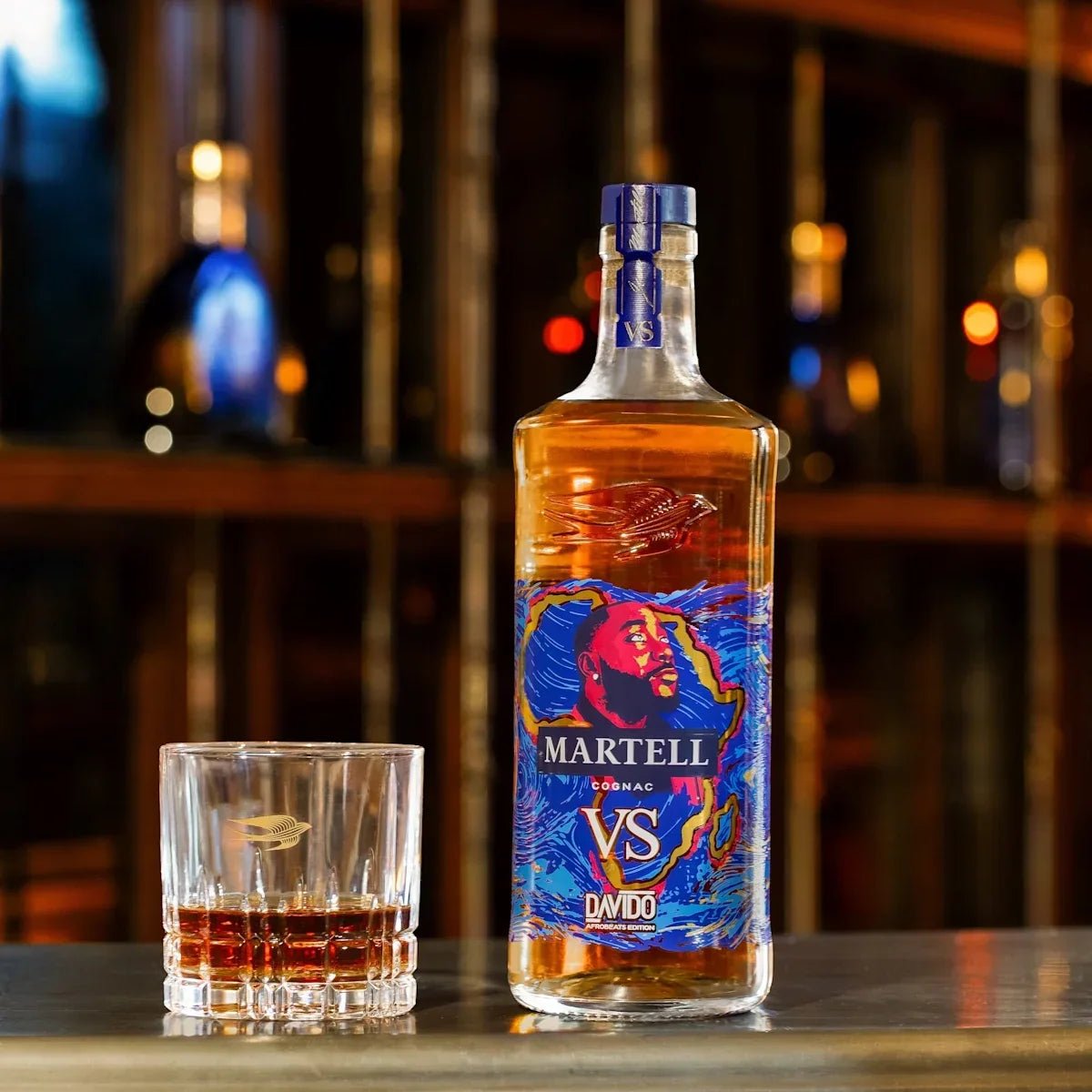
Image: Maison Martell
A French cognac house is selling “Afrobeats” in New York. Nigeria’s biggest music awards are packing for Toronto. Is the culture going global, or going away?
October gave us two stories that are really one. In New York, Martell launched a limited-edition VS bottle designed with Davido and Ghanaian visual artist Prince Gyasi, with Davido joining DJ Ecool on the decks at the launch. Meanwhile the Headies, Nigeria’s own music awards, confirmed that their 18th edition, themed “Africa to the World”, will be staged in Toronto in April 2027, with a category for African-Canadian diaspora artists on the nominations list.
Flowers first. When a heritage French house puts “Afrobeats” on its label, you know how far the sound has travelled. A Ghanaian artist designing the bottle, rather than just posing beside it, matters. And taking the Headies abroad, as they first did in Atlanta in 2022, puts our artists in front of the diaspora who stream them hardest.
Now the harder question. When culture becomes a product, who holds the equity? Davido and Gyasi will be paid, as they should be. But Afrobeats was built by producers in Surulere, dancers in Ojuelegba and DJs at owambes.
Davido’s own masters sit with Sony, and he has said he wants them back. Mavin, the label behind Rema and Ayra Starr, is now majority-owned by Universal. The bottle’s profits flow to Pernod Ricard in Paris. Fame travels, and success has many relatives. Value, though, has a habit of staying where the brand is registered.
Even when we own it, where we stage it decides who gets in. The Headies are ours, but when they leave Nigeria, the fans who can’t get a Canadian visa end up watching on a screen. A watch party is not the same as the room.
For 234, that’s a charge to dream bigger. Build our own bottles, labels, festival and awards night, then invite the world in.
THE CULTURE EDIT
All Culture Edits


